
Manuel Antonio National Park Biodiversity: A Natural Laboratory Full of Life
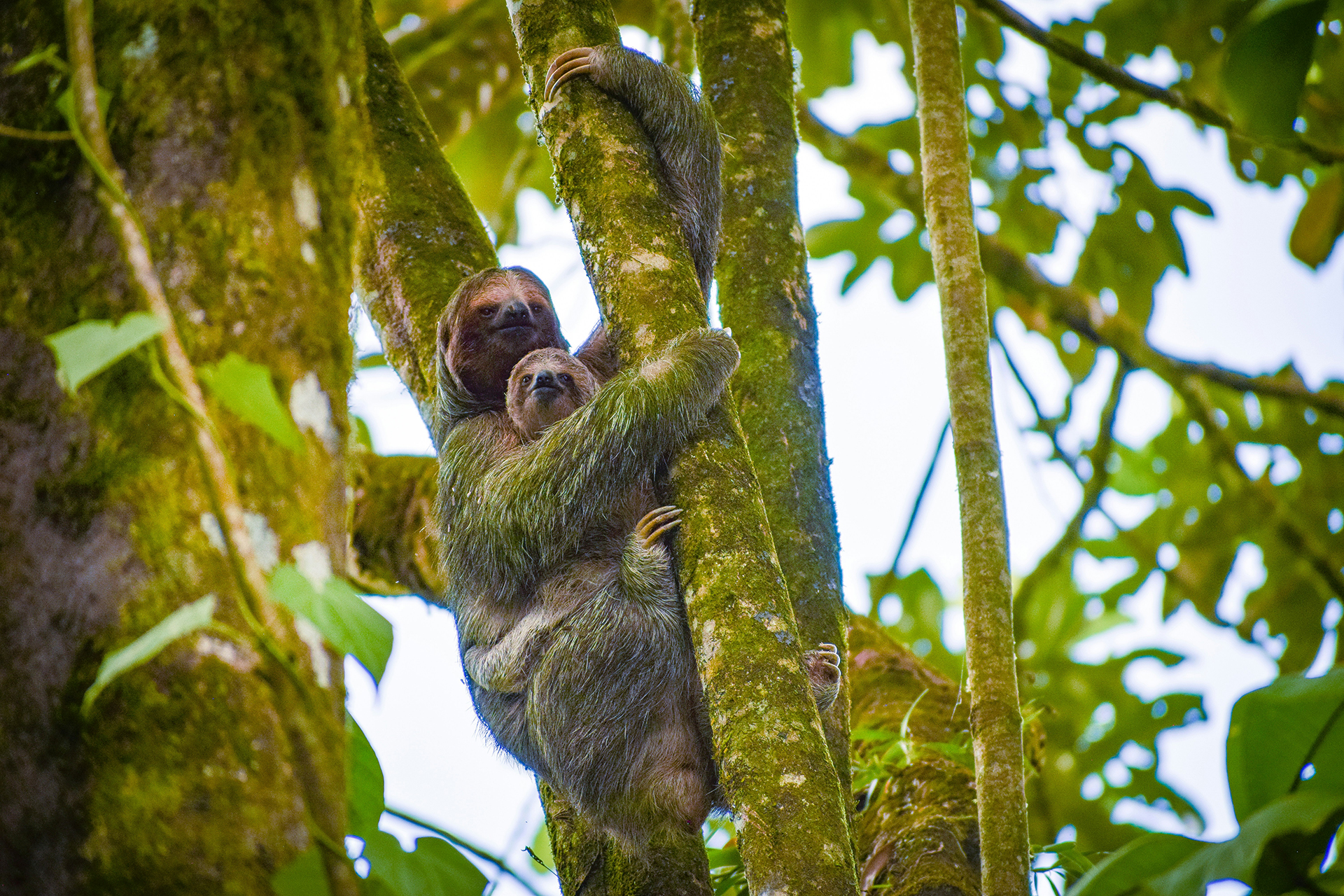
A Rainforest Full of Wildlife
The Manuel Antonio National Park is one of Costa Rica’s smallest national parks, but it is also one of the richest in biodiversity. In just 1,983 hectares of land and 55,000 hectares of protected marine area, you find an incredible mix of plants, animals, and ecosystems—all living together in a delicate, fascinating balance.
Walking through the park feels like stepping into a real-life biology class, but one that is outdoors, full of color, and always surprising.
The moment you enter the trails, you start to see and hear nature everywhere. Manuel Antonio is home to more than 109 species of mammals and over 350 species of birds. That means you could visit many times and still find something new.
Here are some of the park’s most famous residents:
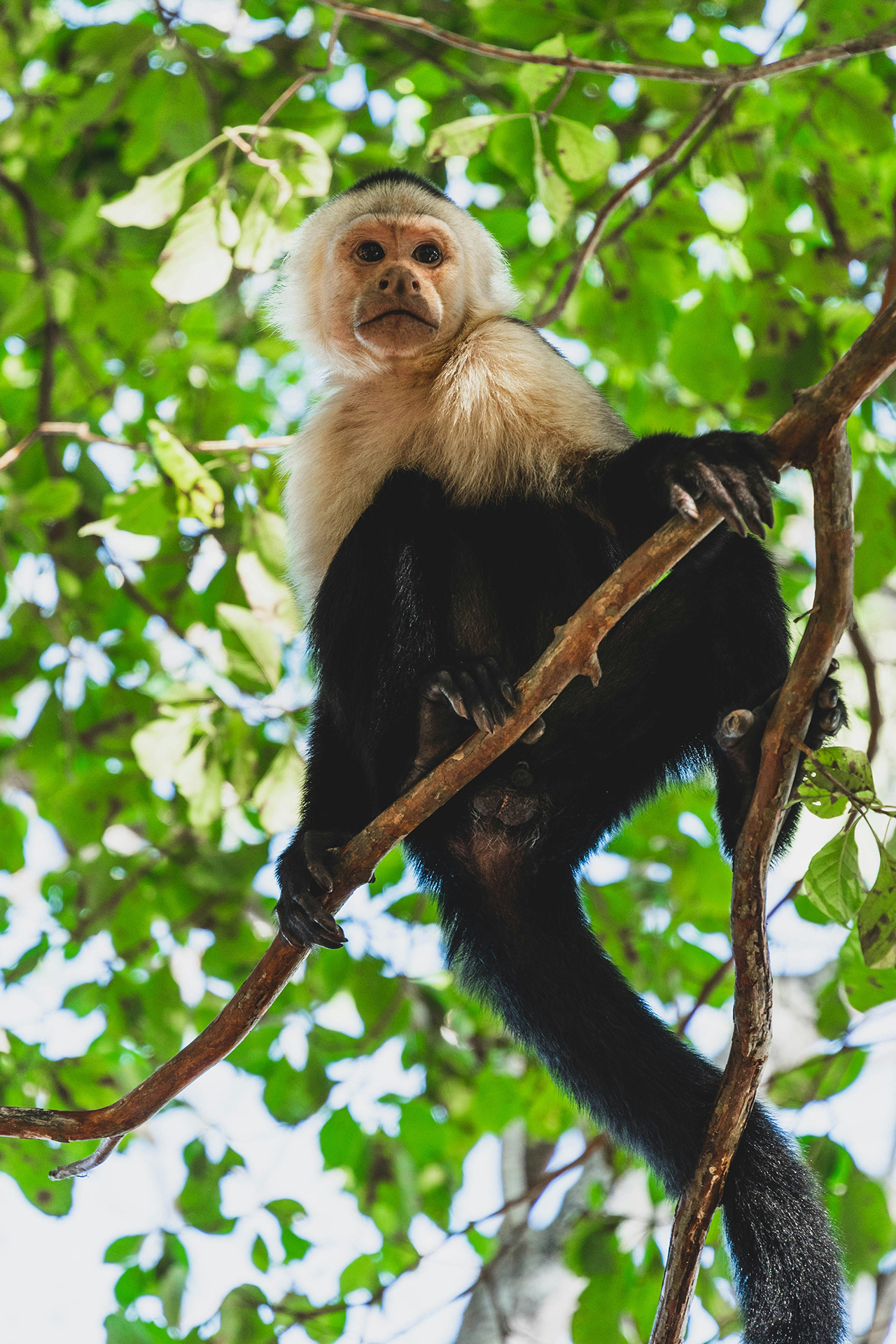
White-faced Capuchin Monkey
Smart, social, and very curious.
Fun fact: They sometimes wash their food with leaves, almost like using napkins.
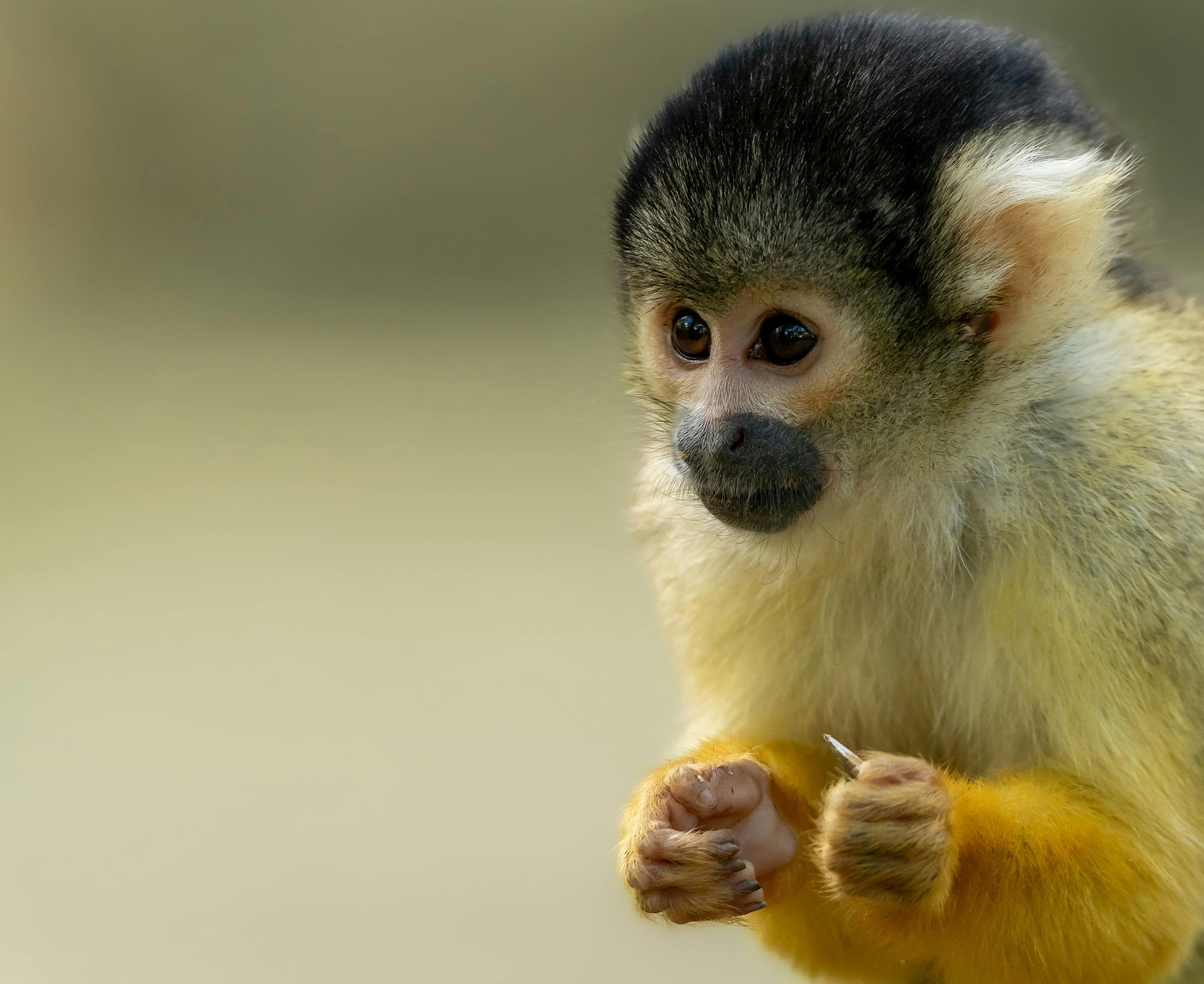
Squirrel Monkey (Mono Titi)
One of Costa Rica’s smallest monkeys and the park’s most iconic species.
Important: They are endangered, so the park plays a big role in their survival.
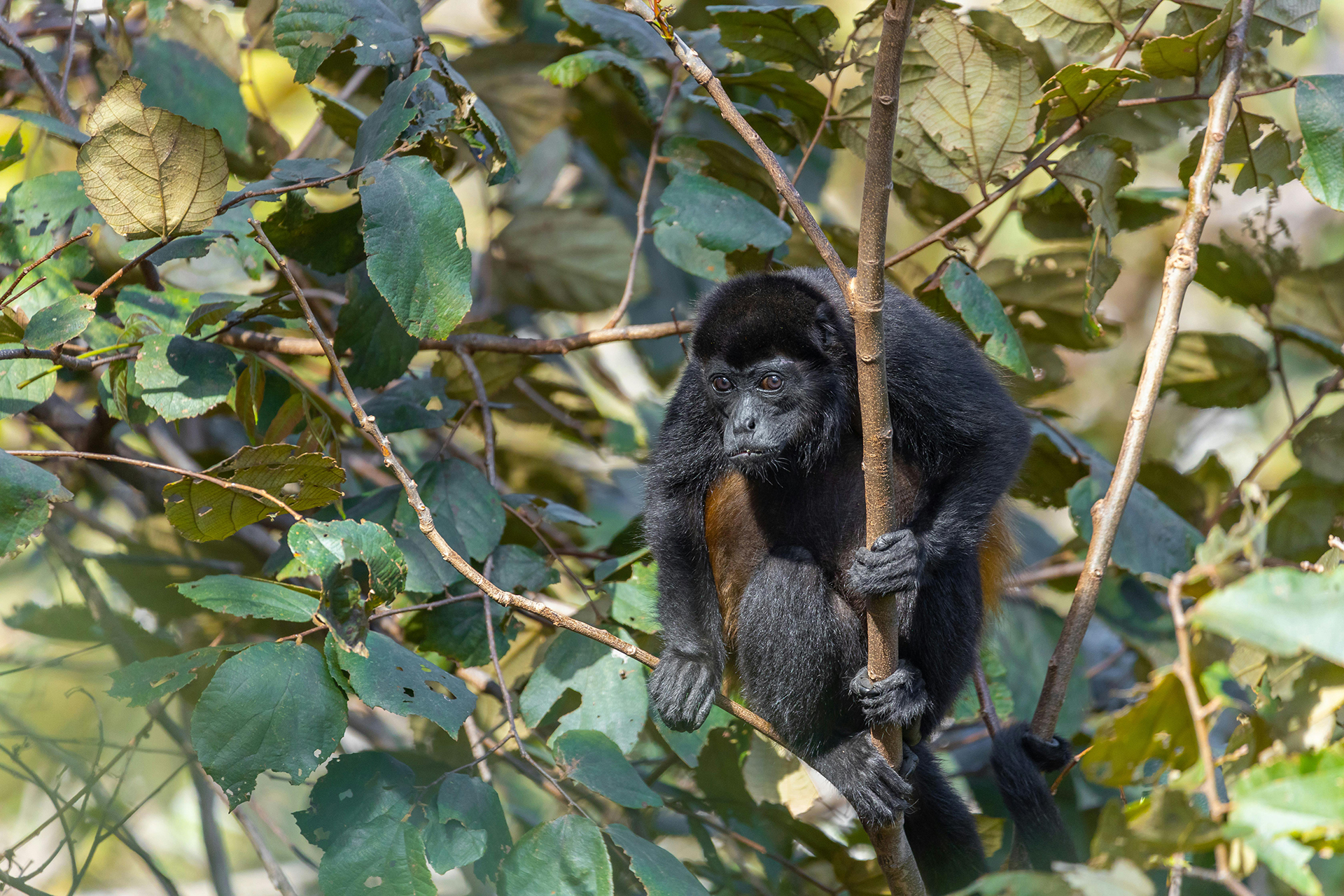
Howler Monkey
You’ll hear them before you see them.
Fun fact: Their roar can travel up to 3 miles through the forest.
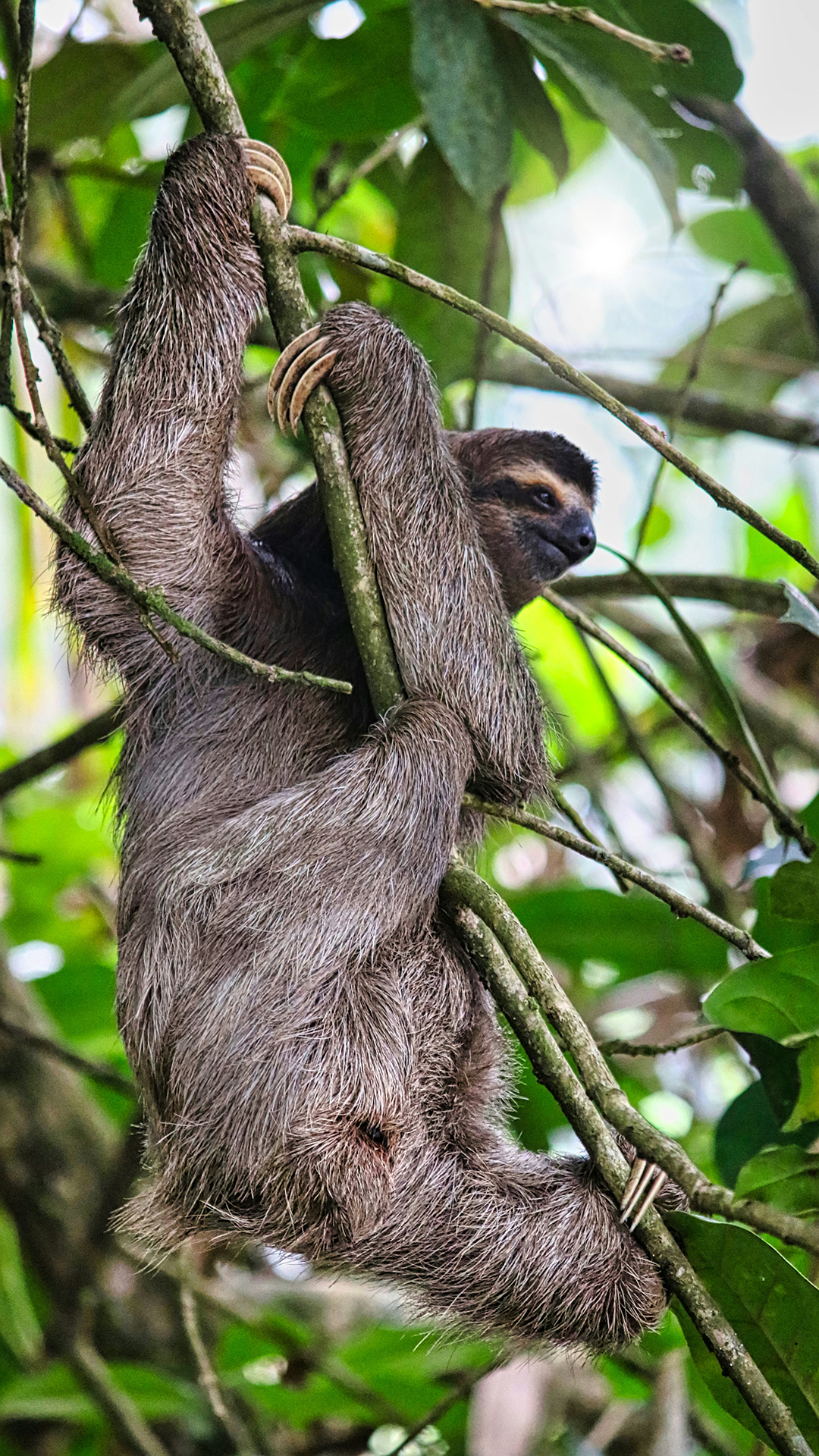
Three-toed Sloth
Slow, sleepy, and surprisingly strong.
Fun fact: They only come down from trees about once a week—to poop!
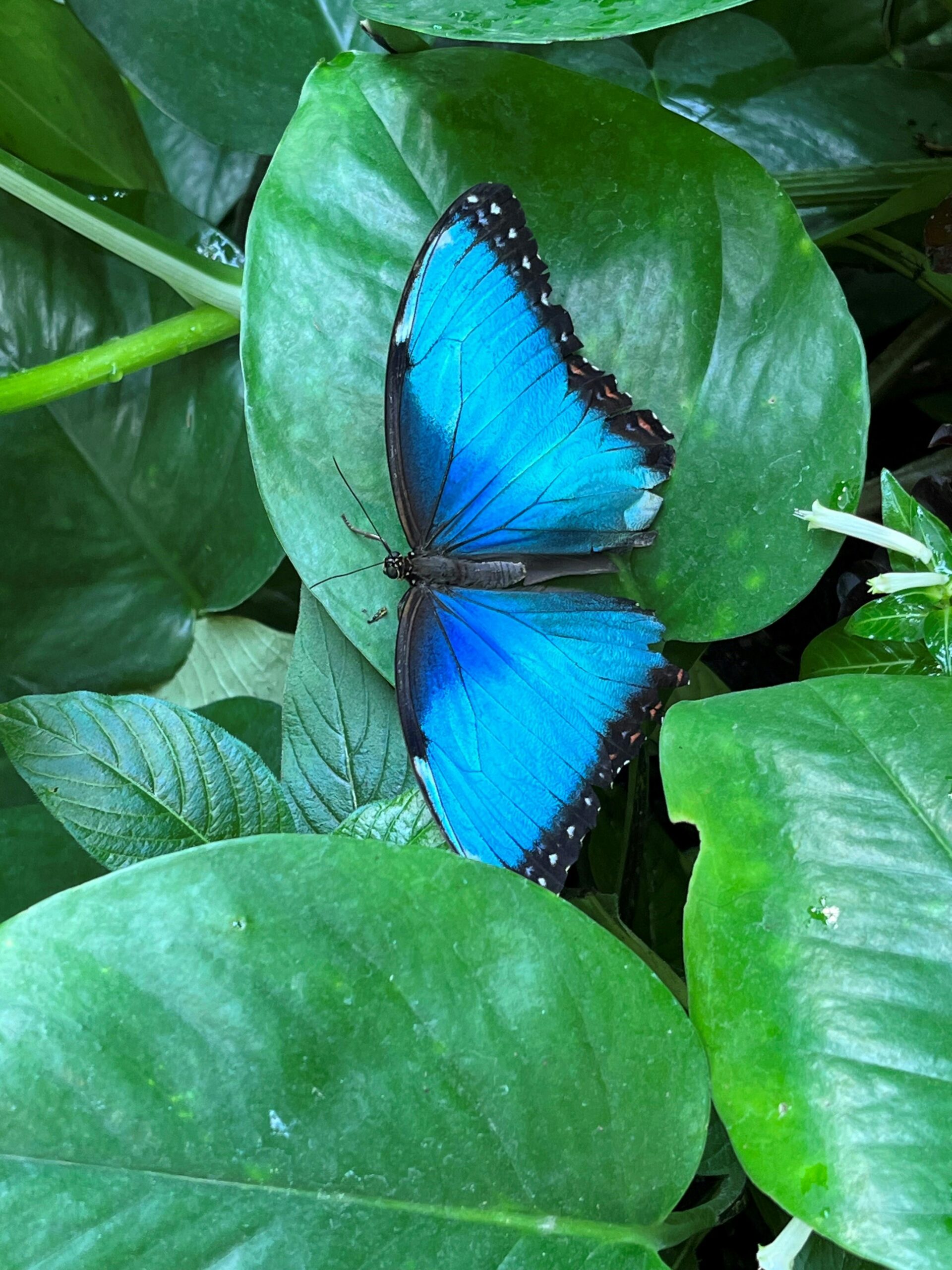
Blue Morpho Butterfly
Bright electric blue wings that shine when they fly.
Fun fact: Their wings appear blue because of light reflection, not pigment.
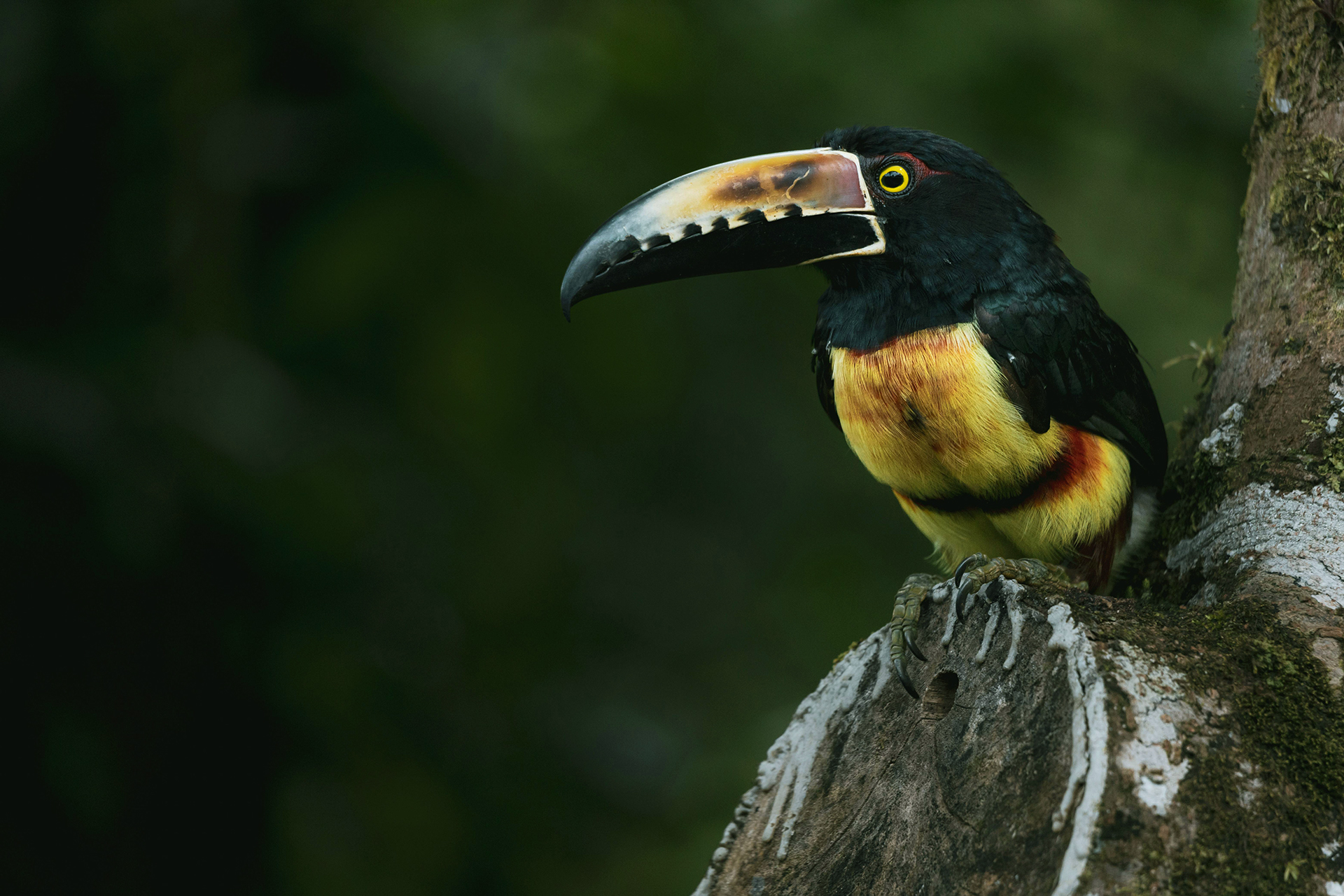
Birds in Every Color
Bird lovers adore this park. You can spot scarlet macaws, toucans, motmots, kingfishers, frigatebirds, and more.
One moment a macaw flies over you with a burst of red and yellow. The next, a tiny hummingbird hovers near a flower, drinking nectar in mid-air.
Curious fact: Hummingbirds can flap their wings up to 80 times per second. That’s why they can float like little helicopters.
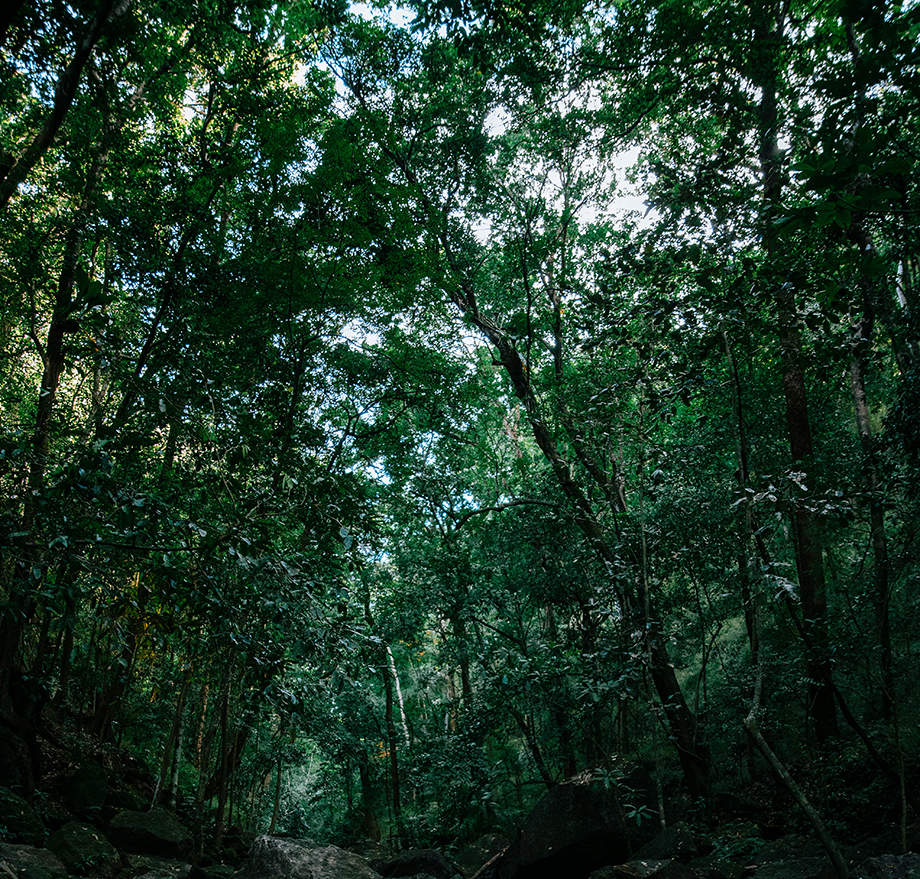
Plants That Make the Rainforest Work
The rainforest in Manuel Antonio is a living engine powered by thousands of plant species, each playing a unique role in keeping the ecosystem healthy and functioning. The forest here is a mix of primary rainforest—which has grown undisturbed for hundreds of years—and secondary rainforest, which has regrown naturally over time. Together, they create the layered, green world that shelters so much wildlife.
One of the most fascinating plants you’ll encounter is the strangler fig. It begins life high in the canopy, growing on another tree. Over time, it sends roots downward, wrapping around its host until it eventually forms a hollow “cage.” When the original tree dies and decomposes, a tall, beautiful structure made entirely of roots remains—an accidental monument to the power of survival and adaptation.
Near the coast, the beach almond tree is easy to spot. Its wide canopy offers shade for wildlife and visitors alike, but its real importance lies in the food it provides. Scarlet macaws are especially fond of its almonds, making this tree a key species for maintaining the vibrant macaw population in the region.
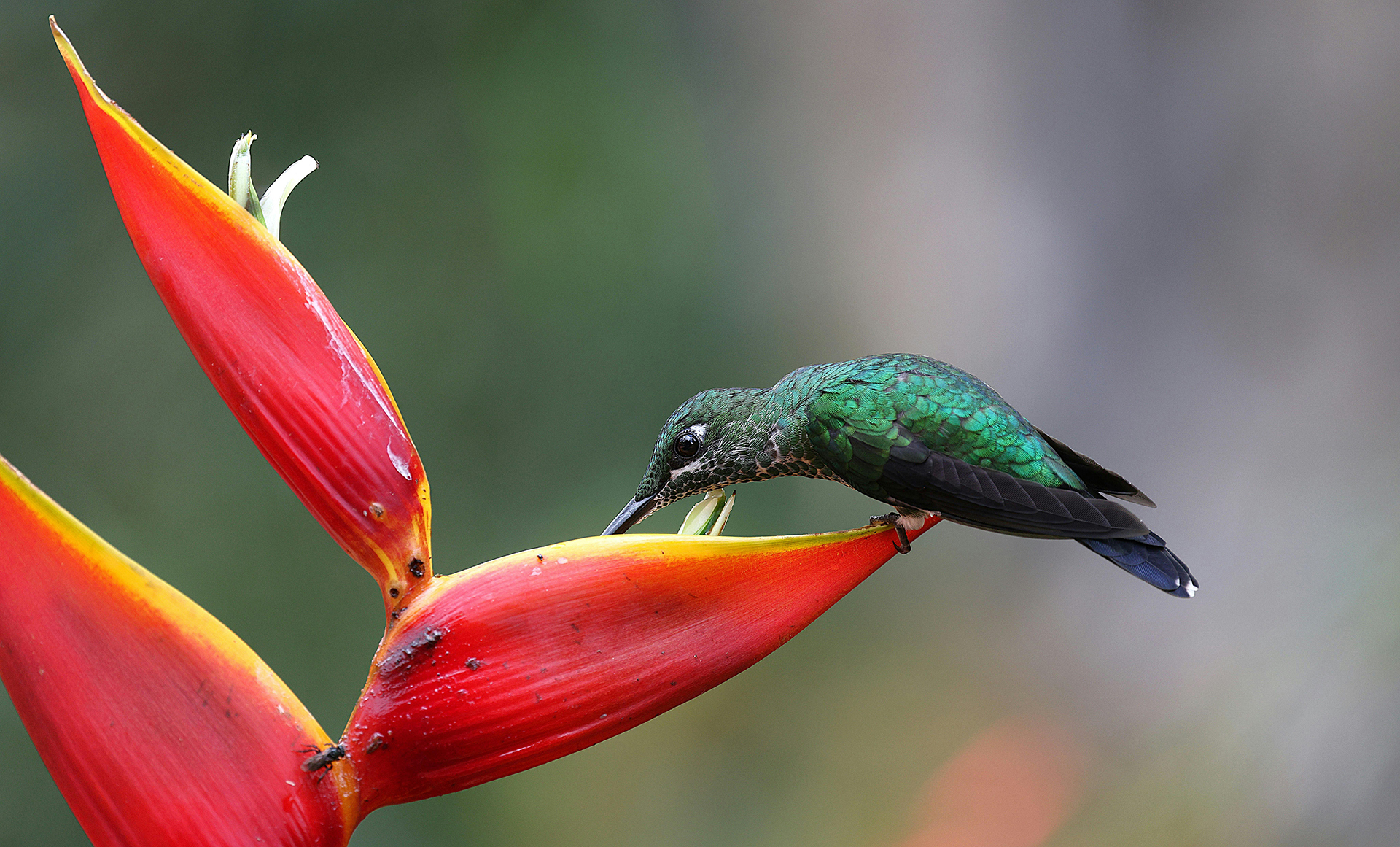
Throughout the trails, you’ll also find bright splashes of color from heliconias. While they look like striking tropical flowers, their bold red, orange, and yellow “petals” are actually modified leaves called bracts. These bracts protect the small flower inside and attract hummingbirds, which help pollinate many rainforest plants.
Down by the estuaries and coastal edges, the mangroves take over. These incredible trees grow in salty, shifting waters where most plants would not survive. Their tangled roots create safe nurseries for fish, crustaceans, and many young marine species. Mangroves also filter the water, reduce coastal erosion, and serve as vital barriers during storms—making them some of the most important plants in the park.
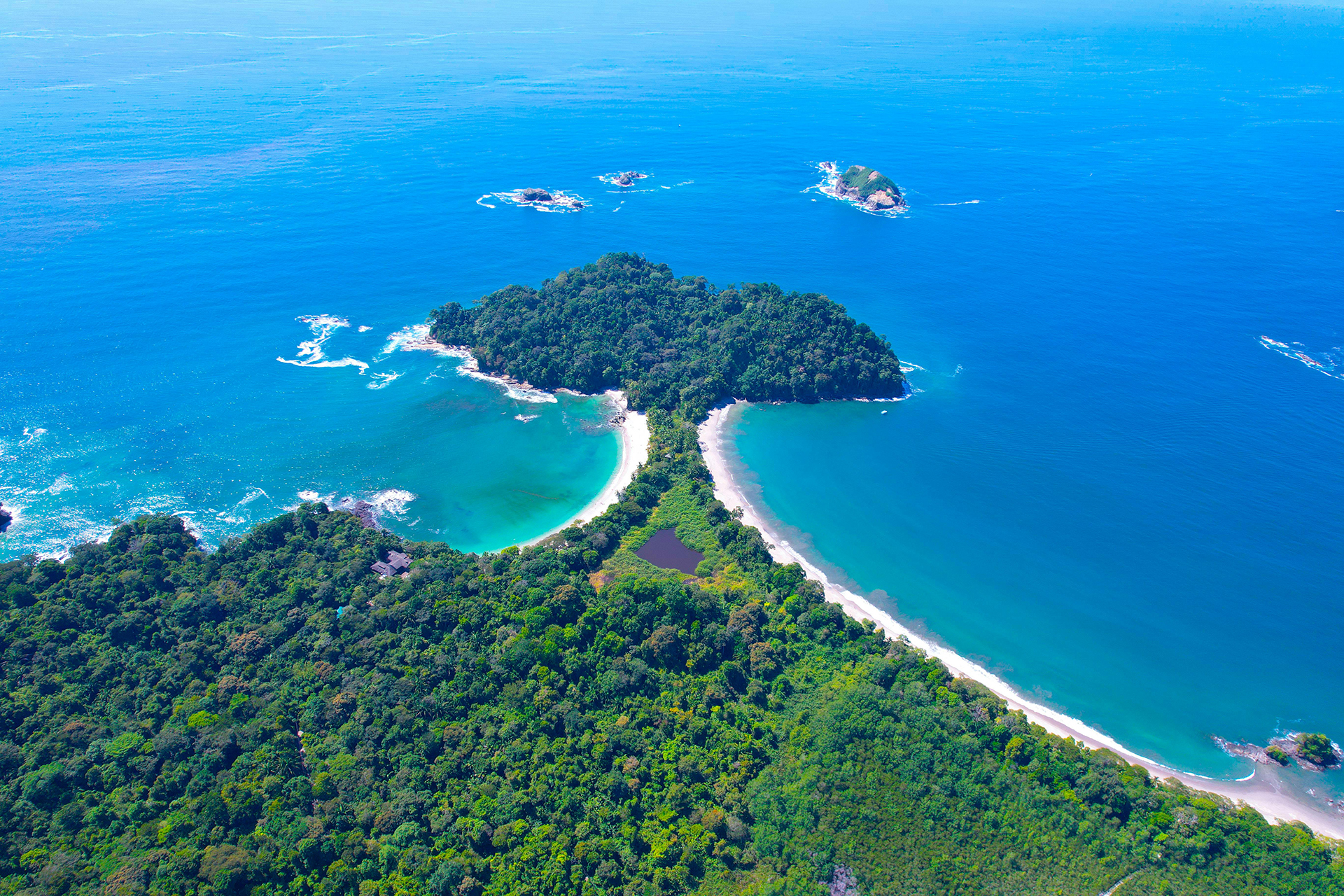
Together, these plant communities form the backbone of Manuel Antonio National Park. They produce oxygen, store carbon, offer food and shelter, and create the conditions that allow animals—from insects to monkeys—to thrive. In many ways, the plants are the silent architects of the rainforest, shaping the environment that makes Manuel Antonio one of the most biodiverse places on Earth.
A Park Where Ecosystems Meet
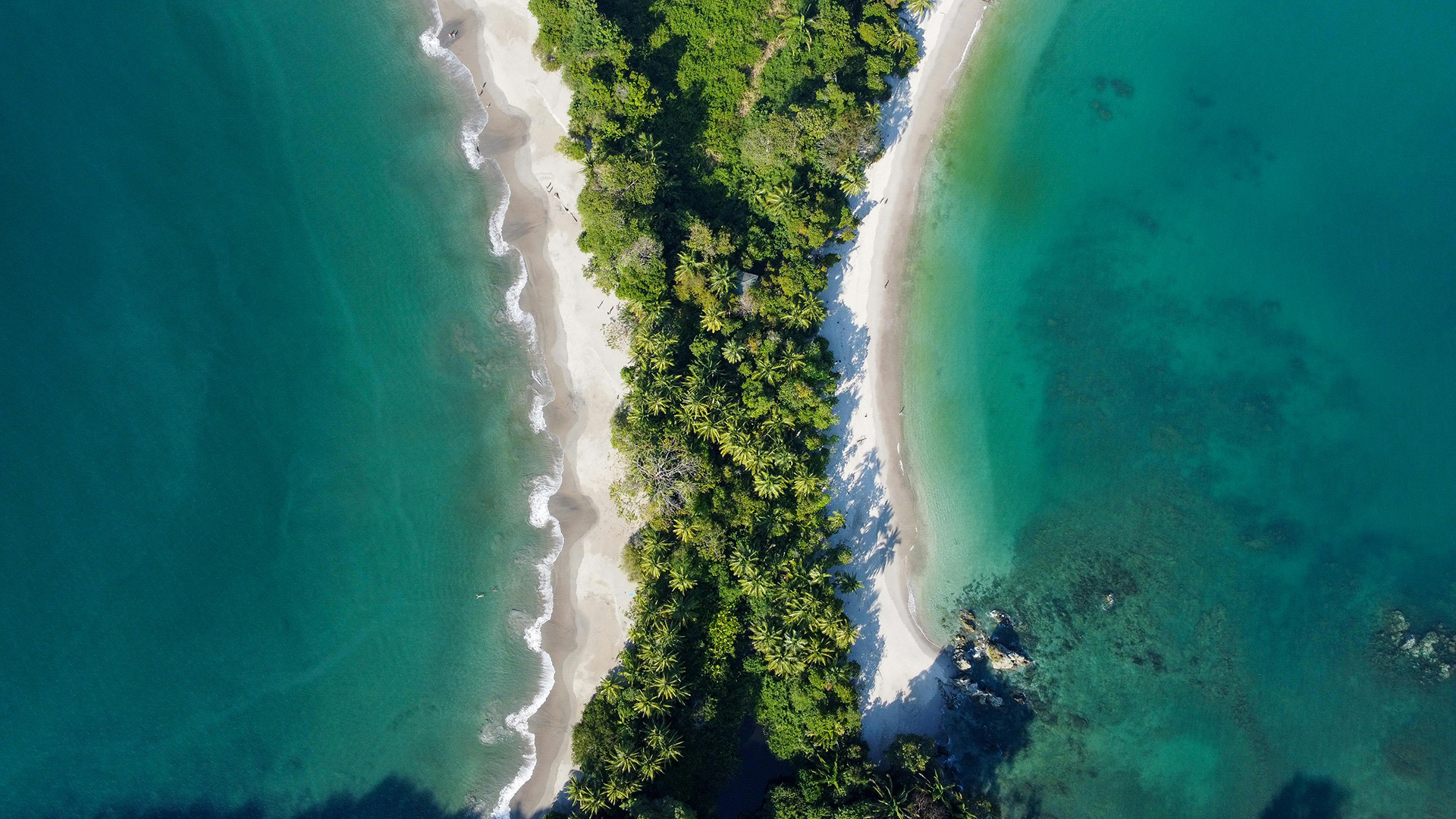
What makes Manuel Antonio unique is how many ecosystems exist in one small area:
-
Rainforest
-
Beaches and rocky cliffs
-
Mangroves
-
Coral reefs and marine zones
-
Estuaries and tidal pools
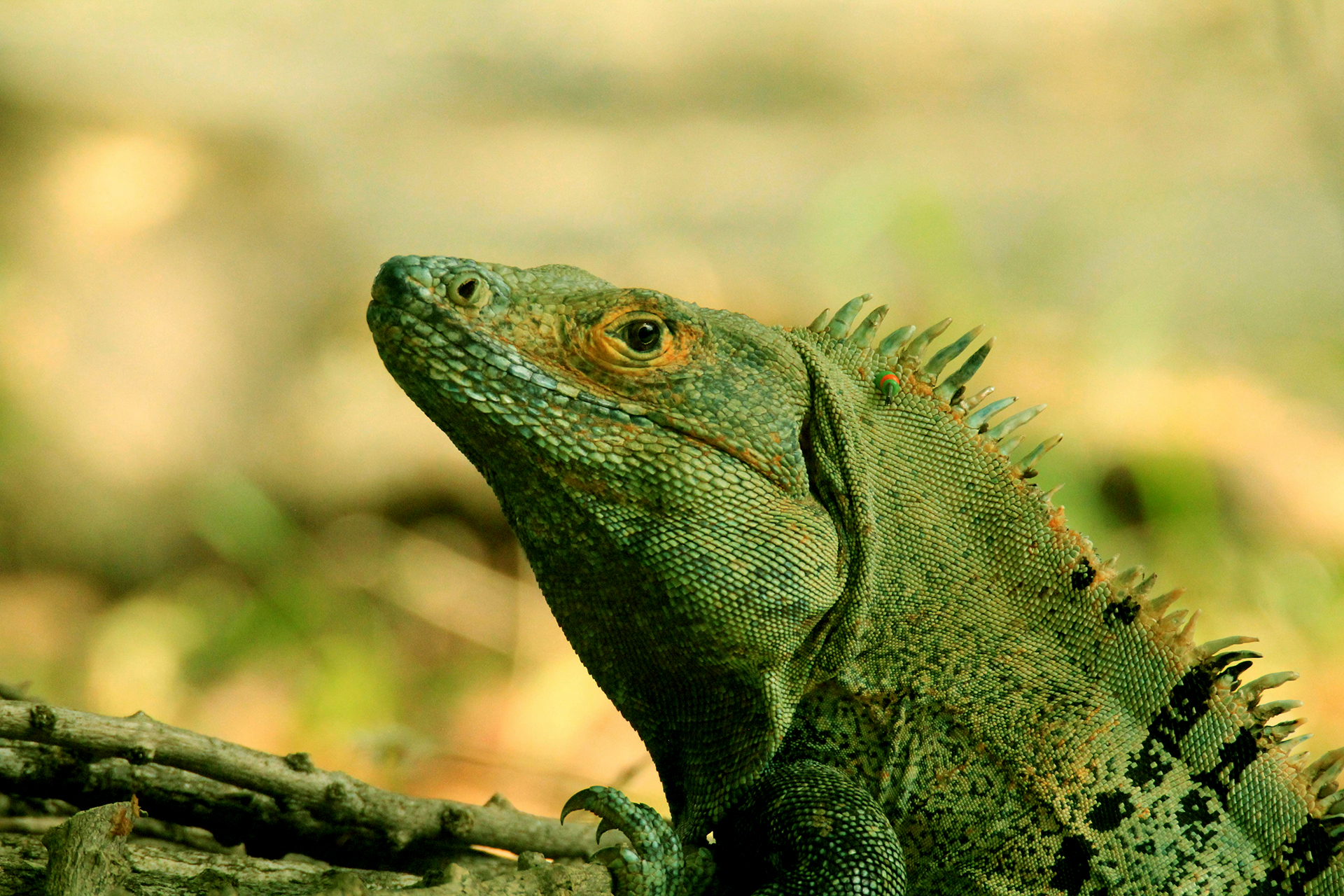
This mix allows animals and plants from different environments to overlap, creating more diversity.
For example, you might see a raccoon walking near the beach, a hermit crab moving across the sand, and just meters away, a troop of monkeys swinging over the trees.
And under the water?
You’ll find colorful fish, rays, eels, sea turtles, and sometimes dolphins and whales passing by offshore.
Curious fact: Manuel Antonio is a great place to see whale mothers teaching their babies during migration season.
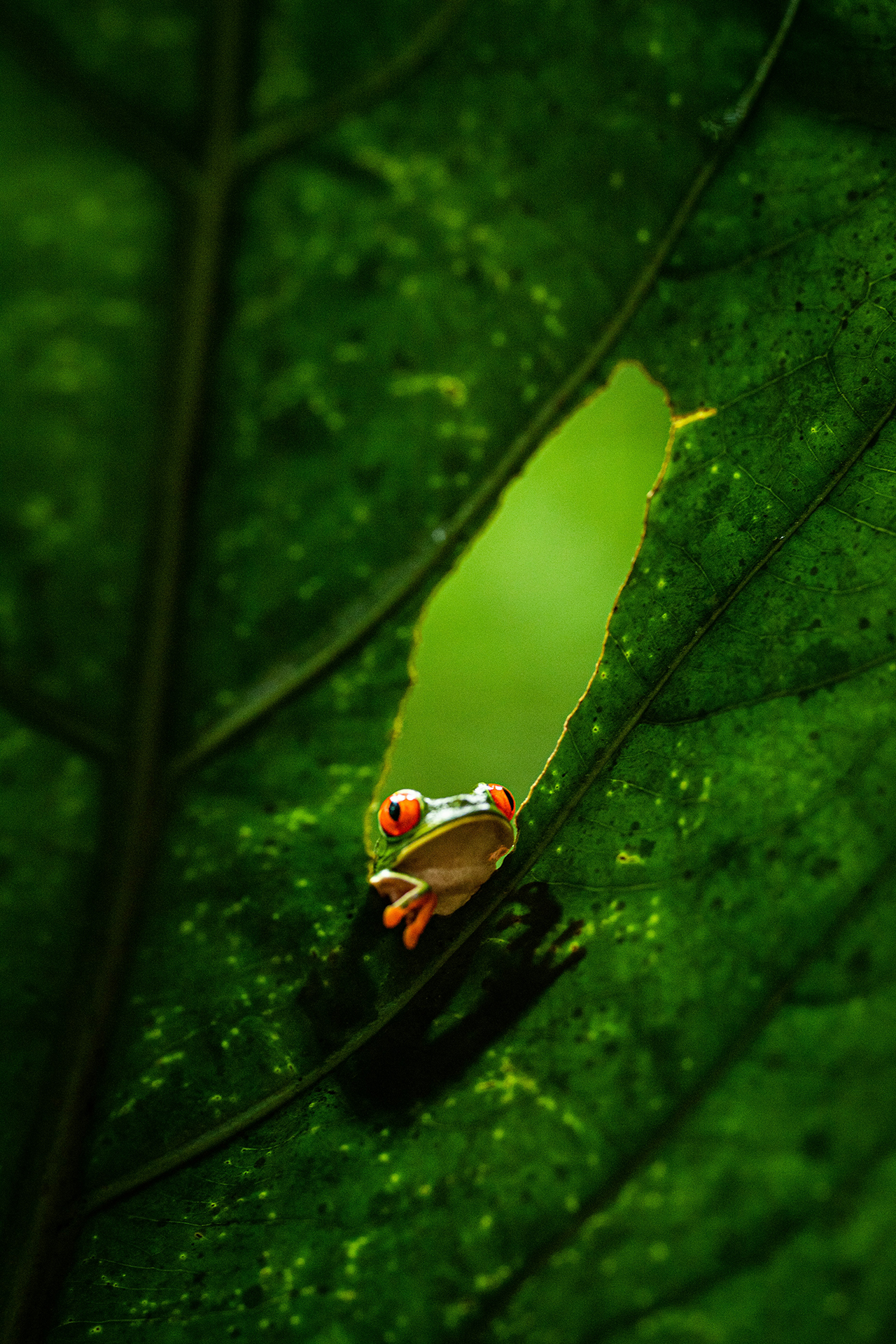
Why Biodiversity Matters Here
The park protects fragile species like the squirrel monkey and the scarlet macaw. It also preserves habitats that would disappear if not protected—like old-growth rainforest and coral reefs.
Scientists consider Manuel Antonio a “hotspot” for biodiversity because:
-
It has many species in a small area
-
These species depend on each other
-
The park’s ecosystems are sensitive to changes
This makes the park both precious and important for Costa Rica’s conservation efforts.
A Place Worth Protecting
When you walk through Manuel Antonio, you’re not just seeing animals—you’re watching an entire ecosystem working together:
-
Plants make oxygen and food
-
Insects pollinate flowers
-
Birds spread seeds
-
Predators keep populations balanced
-
The ocean cleans and nourishes life on the coast
It’s nature’s teamwork.
Visitors help protect the park simply by respecting the rules: staying on trails, not feeding wildlife, and keeping the beaches clean.
In return, the park rewards you with some of the most unforgettable wildlife encounters on earth.
Manuel Antonio National Park is a living science lesson, a natural treasure, and a reminder of how incredible biodiversity can be when ecosystems have space to breathe and grow. Whether you come to see monkeys, butterflies, giant trees, or turquoise water, this small park will always show you something extraordinary.
Stay in comfort, just minutes from the Park
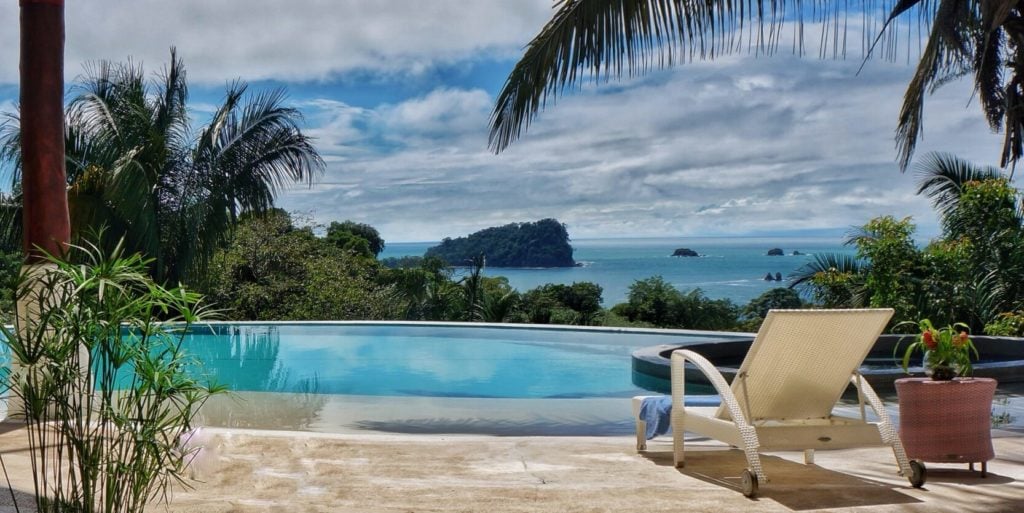
Just beyond the borders of the park, our Manuel Antonio Vacation Villas offer the perfect home base for exploring this incredible ecosystem. Perched on the hillsides of Manuel Antonio, they overlook the shimmering Pacific and the peninsula of the national park itself. From your terrace, you can watch the jungle meet the sea, spot wildlife moving through the trees, and enjoy sweeping ocean views that capture the beauty of the park from sunrise to sunset—all just minutes away from the main entrance.
National Park Information Center
 +1 888-818-2097
 +506 8932-4731